













Penguins, those charismatic waddlers of the Antarctic, have long captured human imagination with their tuxedo-like feathers and endearing behaviors. Among their many fascinating traits, one stands out as particularly romantic: the pebble proposal. In certain penguin species, males present females with carefully selected stones as a gesture of commitment, mirroring human engagement rituals in a way that’s both ancient and adorable. This behavior isn’t just cute—it’s a survival strategy honed by evolution in one of Earth’s harshest environments. In this article, we’ll dive deep into the world of penguin courtship, exploring the science, significance, and cultural impact of this pebble-gifting tradition.
The Ritual Unveiled: How Penguins “Propose”
At the heart of this ritual is the male penguin’s quest for the perfect pebble. Species like the Adélie and Gentoo penguins, native to the rocky shores of Antarctica, engage in this practice during breeding season. The male scours the beach, sometimes traveling significant distances, to find a stone that’s smooth, shiny, and ideally sized—not too big to carry, not too small to impress. He holds it in his beak and approaches the female with a bow, offering it as a token of his affection and capability.
If the female accepts, she incorporates the pebble into her nest, signaling the formation of a pair bond. Rejection? The male might try again with a better stone or move on to another potential mate. This isn’t frivolous; pebbles are crucial building blocks for nests that elevate eggs above the cold, wet ground, preventing them from freezing or flooding. In the brutal Antarctic climate, where temperatures can plummet to -40°C, a well-constructed nest can mean the difference between life and death for the next generation.
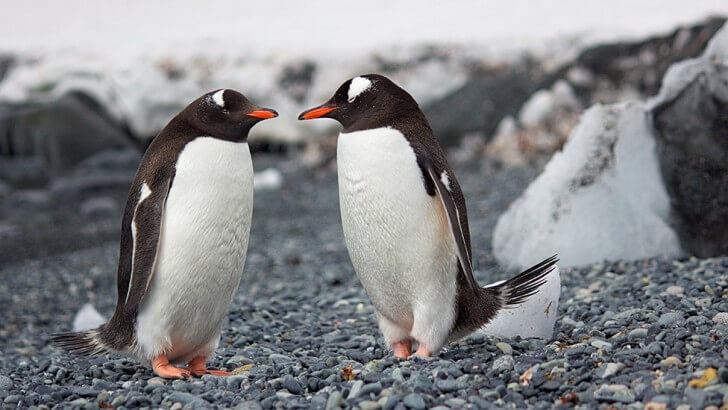
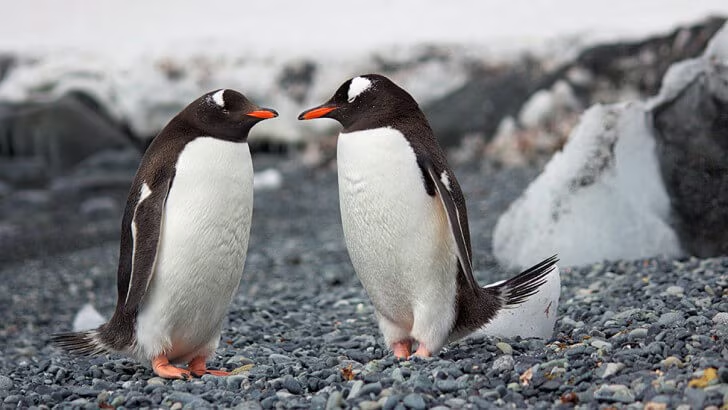
The gift to win a penguin’s heart | BBC Earth
This image captures the tender moment of a male penguin presenting a pebble, a scene straight out of nature’s own love story.
Evolutionary Roots and Species-Specific Behaviors
Why pebbles? Evolutionary biologists point to the scarcity of nesting materials in penguin habitats. Unlike birds in forested areas with abundant twigs, Antarctic penguins make do with what’s available: stones. Over millennia, this necessity evolved into a courtship display. Males who select superior pebbles demonstrate fitness—strength to search, discernment to choose quality, and dedication to family.
Not all penguins follow this exact ritual. Emperor penguins, famous for their huddling endurance, don’t build nests at all; males balance eggs on their feet. Chinstrap penguins might use pebbles too, but the behavior is most pronounced in Adélies and Gentoos. In Adélie colonies, which can number in the hundreds of thousands, the pebble hunt can lead to thievery—males sometimes steal from neighbors’ nests to bolster their offerings, adding a layer of drama to the proceedings.
Field studies, such as those conducted by the British Antarctic Survey, reveal that successful pebble presenters often form stronger, more monogamous bonds. Penguins are largely faithful during breeding seasons, with some pairs reuniting year after year at the same colony. This loyalty extends to shared parenting: both males and females take turns incubating eggs and foraging for food, showcasing a partnership that’s egalitarian by animal standards.

Gentoo penguins with pebble in beak for nest building, Antarctic peninsula, Canon gears
Here, a penguin is seen clutching a pebble in its beak, ready for the big presentation amid the icy landscape.
Survival in the Extreme: The Practical Side of Romance
Beyond romance, the pebble ritual underscores the penguins’ adaptation to extreme conditions. Antarctica’s breeding grounds are windswept and barren, with pebbles serving as insulation against melting snow and rising waters from climate change-induced ice melt. A sturdy nest, often comprising hundreds of stones, creates a raised platform that protects vulnerable eggs and chicks.
Climate change poses a growing threat to this tradition. Warmer temperatures alter pebble availability and nesting sites, while krill shortages—the penguins’ primary food—affect breeding success. Conservation efforts, like those by the World Wildlife Fund, emphasize protecting these habitats to preserve such behaviors. Interestingly, some zoos and aquariums replicate pebble-giving in captivity, providing enrichment that encourages natural instincts.
Human observers often anthropomorphize this behavior, drawing parallels to diamond rings. But for penguins, it’s pure pragmatism wrapped in affection. The ritual fosters pair bonding, which boosts chick survival rates—up to 80% in stable pairs versus lower in unstable ones, per research from the Journal of Ornithology.
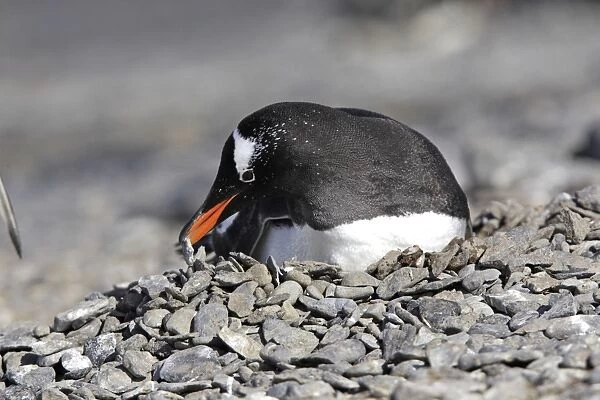
Gentoo Penguin at Nest, Brown Bluff Antarctic Print. Art Prints, Posters & Puzzles from Ardea
This photo illustrates penguins meticulously building their pebble nests, a labor of love in the frozen wilderness.
Cultural Impact: From Viral Memes to Jewelry Inspiration
The pebble proposal has transcended biology to influence human culture. Social media abounds with videos and memes of “penguin engagements,” amassing millions of views on platforms like TikTok and Instagram. Documentaries such as BBC’s “Dynasties” highlight these moments, blending education with entertainment.
In the world of fashion and gifts, penguin-inspired jewelry has surged. Companies craft pebble-shaped pendants or rings engraved with “Will you be my penguin?”—a nod to the ritual’s enduring appeal. Even literature and film draw from it; think of the animated movie “Happy Feet,” where courtship dances echo real penguin behaviors.
This fascination reminds us of nature’s ingenuity. Long before humans mined gems, penguins “invented” engagement tokens. It challenges our view of animal intelligence, showing complex social structures in seemingly simple creatures.
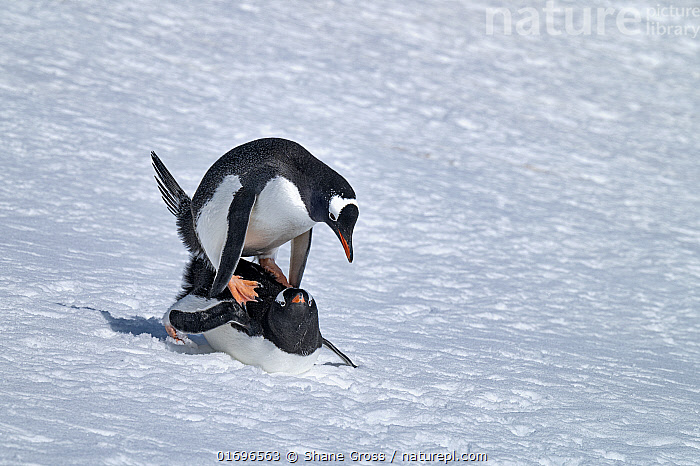
Stock photo of Pair of Gentoo penguins (Pygoscelis papua) mating, Neko Harbour…. Available for sale on www.naturepl.com
A pair of Gentoo penguins in a mating display, symbolizing the successful outcome of the pebble ritual.
Conservation and Future Prospects
As we admire these rituals, it’s crucial to address threats. Overfishing, pollution, and habitat loss endanger penguin populations. Adélie numbers have declined in some areas due to sea ice reduction, impacting breeding colonies. Initiatives like the Antarctic Treaty protect these regions, but global action on climate is essential.
You can contribute by supporting eco-tourism that funds research or adopting sustainable seafood practices to preserve krill stocks. Observing penguins ethically—via live cams from organizations like Penguin Watch—allows appreciation without disturbance.
In conclusion, the penguin pebble proposal is more than a quirky fact; it’s a window into evolution, survival, and love. Nature’s original romantics teach us that true commitment is built on practical foundations, one pebble at a time. Next time you slip on a ring, remember: penguins did it first.
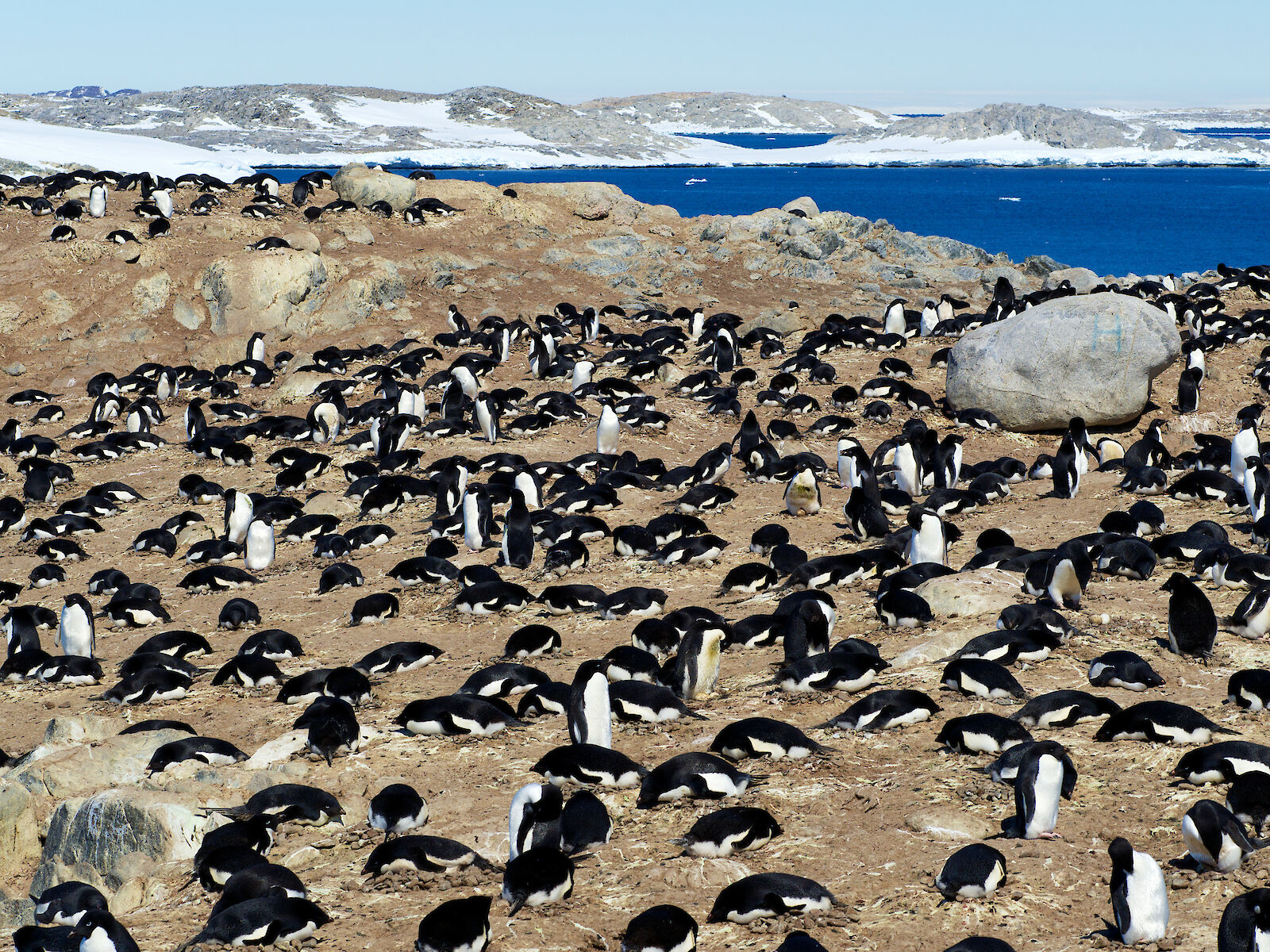
Adélie penguin – Australian Antarctic Program
An Adélie penguin colony bustling with nests, a testament to the communal spirit of these remarkable birds.