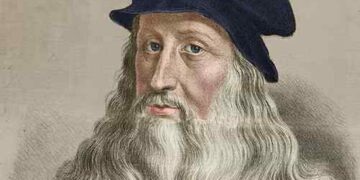














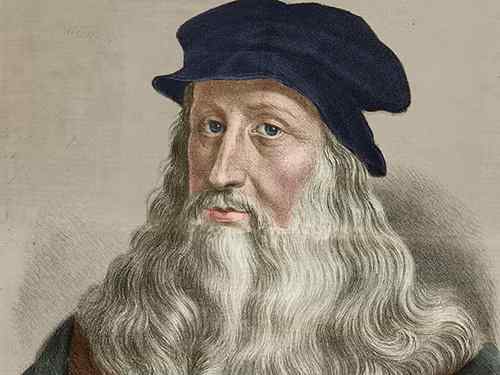
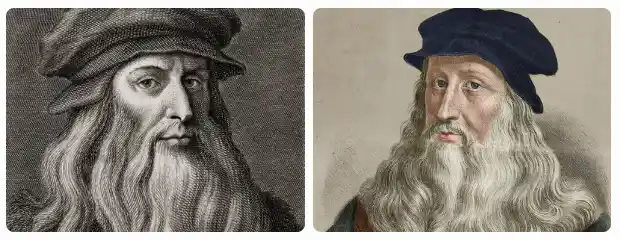
Leonardo da Vinci (1452–1519) is widely regarded as the epitome of a “Renaissance man”—a polymath whose genius spanned art, science, engineering, anatomy, and invention. Born in Vinci, a small town near Florence, Italy, he was the illegitimate son of a notary and a peasant woman. Largely self-taught, Leonardo’s insatiable curiosity drove him to master multiple disciplines, leaving behind a legacy that continues to inspire the world centuries later.
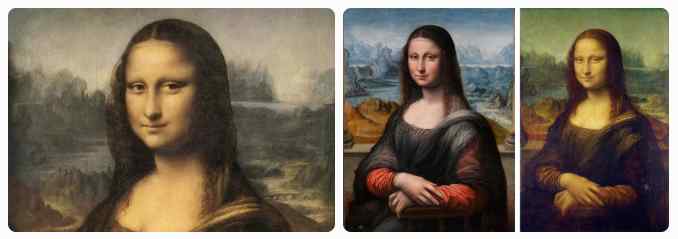
As a painter, Leonardo produced some of the most iconic works in art history. His masterpiece, the Mona Lisa (c. 1503–1519), is celebrated for its enigmatic smile, masterful use of sfumato (soft blending of colors), and psychological depth. The painting, housed in the Louvre, draws millions of visitors annually and remains one of the most famous portraits ever created.
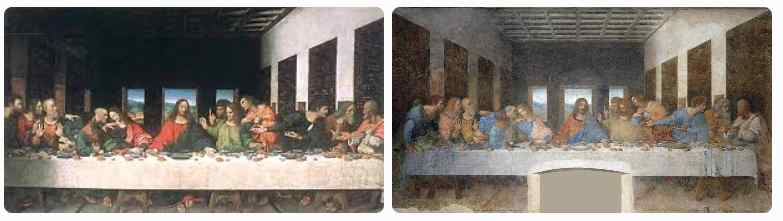
Another monumental work is The Last Supper (1495–1498), a fresco in Milan that revolutionized perspective and composition. Leonardo captured the dramatic moment when Jesus announces his betrayal, with each apostle reacting uniquely—creating an emotional intensity rarely seen before.
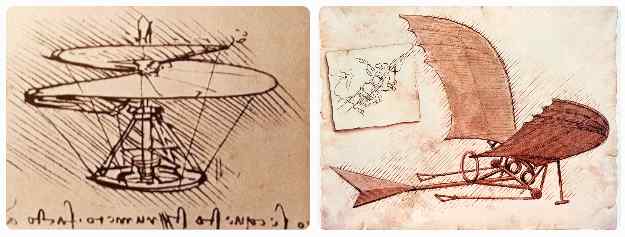
Beyond art, Leonardo was a brilliant inventor and scientist. His notebooks, filled with over 13,000 pages of mirror writing, reveal designs for machines that were centuries ahead of their time, including flying machines, helicopters, tanks, and parachutes.
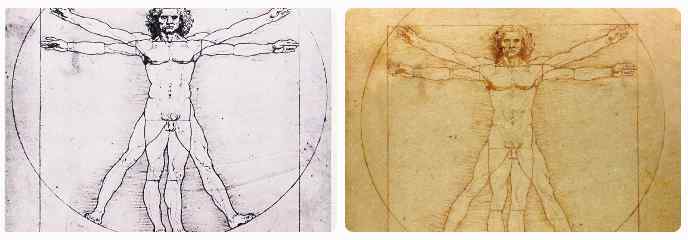
One of his most famous drawings is the Vitruvian Man (c. 1490), which illustrates the ideal human proportions based on the Roman architect Vitruvius. It symbolizes the harmony between art and science, showing the human body fitting perfectly within a circle and square.
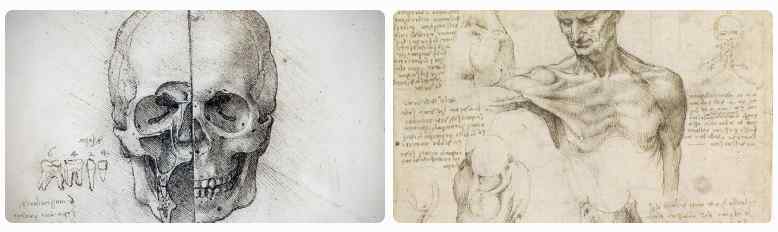
Leonardo’s anatomical studies were groundbreaking. He dissected human bodies (often in secret) and produced detailed drawings of muscles, bones, and organs that surpassed the knowledge of his era. His sketches of the heart, fetus, and spine were remarkably accurate and influenced modern medicine.
Leonardo’s life was a testament to curiosity and innovation. Though he completed few projects (due to his perfectionism and tendency to move on), his ideas and creations reshaped art, science, and engineering. He died in France in 1519, leaving behind a legacy as one of history’s greatest minds—a true bridge between the medieval and modern worlds.