













Steve Jobs, the co-founder of Apple Inc., was more than just a tech entrepreneur; he was a revolutionary thinker who reshaped industries from computing to entertainment. Born on February 24, 1955, in San Francisco, California, Jobs was adopted by Paul and Clara Jobs, who nurtured his early curiosity about electronics. His life story is one of innovation, setbacks, and triumphant comebacks, influencing billions through products that blended technology with artistry. From the garage where Apple began to the global stages where he unveiled groundbreaking devices, Jobs’ journey is a testament to the power of vision and perseverance.
Early Life and Influences
Jobs grew up in the heart of what would become Silicon Valley, surrounded by engineers and innovators. As a child, he was fascinated by his father’s work as a machinist, often tinkering with gadgets in the family garage. He attended Reed College in Portland, Oregon, but dropped out after just six months, though he continued auditing classes, including one on calligraphy that later influenced Apple’s focus on typography and design. This period of exploration, including a trip to India in search of spiritual enlightenment, shaped his unconventional approach to life and business.
In the early 1970s, Jobs reconnected with Steve Wozniak, a brilliant engineer he had met through a mutual friend. Wozniak, or “Woz,” was designing what would become the Apple I computer, a single-board machine that could connect to a TV as a display. Jobs saw the potential not just in the technology but in making it accessible to everyday people. Together, they founded Apple Computer Company on April 1, 1976, in the Jobs family garage. With an initial investment of $1,300 from selling Jobs’ Volkswagen bus and Wozniak’s calculator, they sold 50 units of the Apple I to a local store, marking the birth of a tech giant.
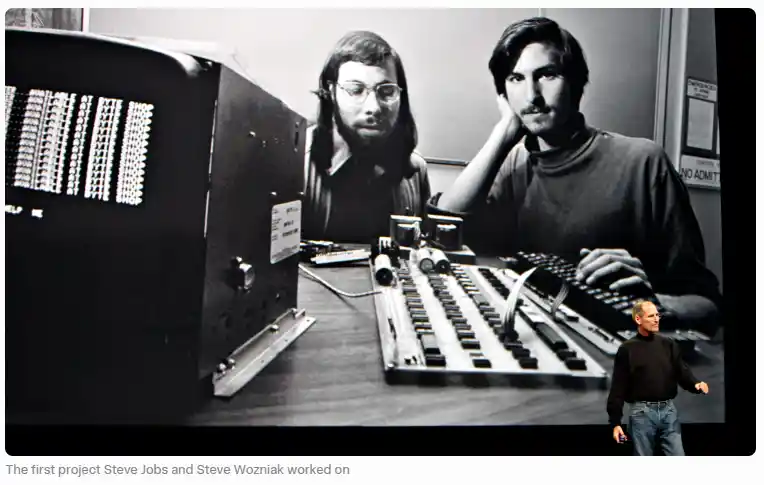
The Apple II, released in 1977, was a massive success, featuring color graphics and an open architecture that allowed for expansions. It became one of the first successful mass-produced microcomputers, generating over $150 million in revenue within three years. Jobs’ marketing savvy turned Apple into a household name, emphasizing user-friendliness over raw technical specs. However, as the company grew, tensions arose, setting the stage for future challenges.
The Macintosh Era and Internal Strife
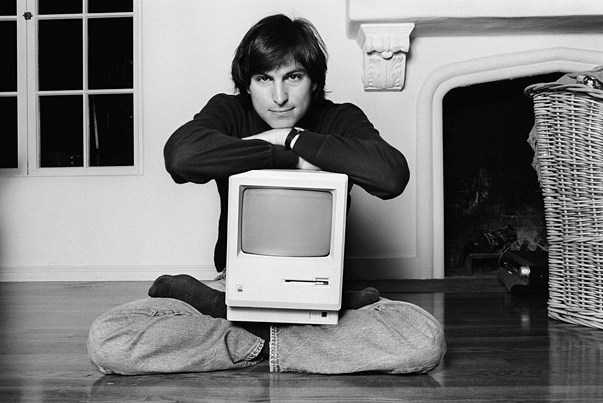
By the early 1980s, Jobs was leading the development of the Macintosh, inspired by a visit to Xerox PARC where he saw graphical user interfaces and mouse-driven computing. The Macintosh, launched on January 24, 1984, featured a bitmap display, icons, and a mouse—innovations that made computing intuitive. The famous “1984” Super Bowl ad, directed by Ridley Scott, positioned the Mac as a rebellion against conformity, drawing from George Orwell’s dystopian novel. Jobs’ presentation at the launch event was theatrical, with the computer even “speaking” to the audience, captivating the world.
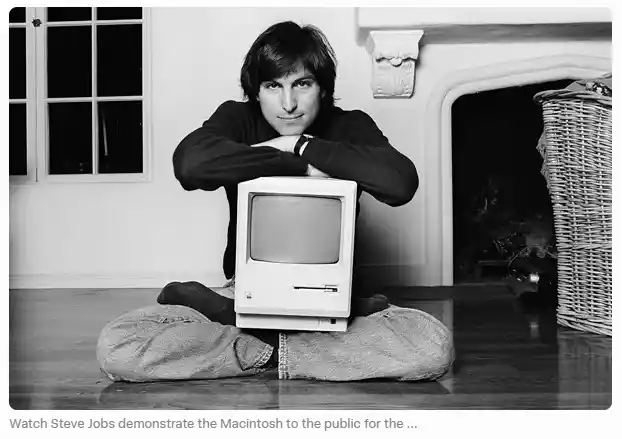
Despite its innovation, the original Macintosh struggled with high prices and limited software, leading to slower sales than expected. Internal conflicts at Apple escalated, particularly between Jobs and CEO John Sculley, whom Jobs had recruited from Pepsi with the famous line: “Do you want to sell sugared water for the rest of your life? Or do you want to come with me and change the world?” In 1985, after a boardroom battle, Jobs was ousted from the company he co-founded, an event he later described as devastating but ultimately liberating.
Exile: NeXT and Pixar
Undeterred, Jobs founded NeXT Computer in 1985 with $7 million of his own money. NeXT aimed to create high-end workstations for education and business, featuring advanced software like the NeXTSTEP operating system, which included object-oriented programming and a sleek interface. Though commercially unsuccessful—selling only about 50,000 units—the technology was groundbreaking and later became the foundation for macOS when Apple acquired NeXT in 1996.

During this period, Jobs also invested $10 million in Pixar, a graphics division spun off from Lucasfilm. Under his leadership, Pixar pivoted from hardware to animation, releasing “Toy Story” in 1995—the first fully computer-animated feature film. It was a blockbuster, grossing over $373 million worldwide and establishing Pixar as a powerhouse in animation. Jobs’ negotiation skills shone when he orchestrated a deal with Disney, leading to hits like “A Bug’s Life” and “Monsters, Inc.” In 2006, Disney acquired Pixar for $7.4 billion, making Jobs Disney’s largest shareholder.
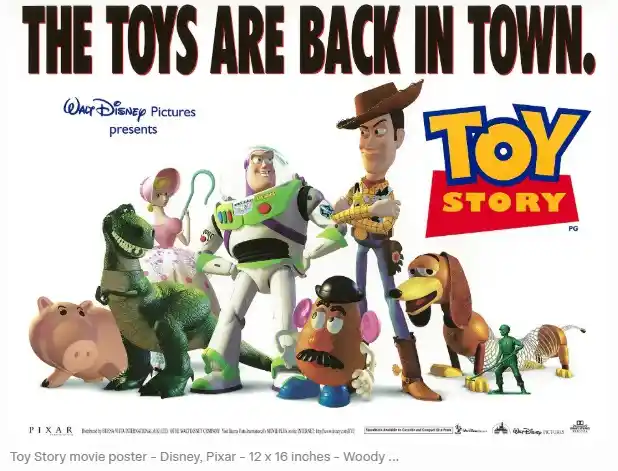
These ventures during his “exile” honed Jobs’ skills in software innovation and storytelling, preparing him for his return to Apple.
The Triumphant Return and Apple’s Renaissance
In 1996, Apple was on the brink of bankruptcy, plagued by poor products and management issues. The acquisition of NeXT brought Jobs back as an advisor, and by 1997, he was interim CEO (or “iCEO,” as he jokingly called it). He streamlined the product line, cutting 70% of projects, and focused on design and user experience. The iMac, unveiled in 1998, was a translucent, colorful all-in-one computer that sold 800,000 units in its first five months, revitalizing Apple’s image and finances.
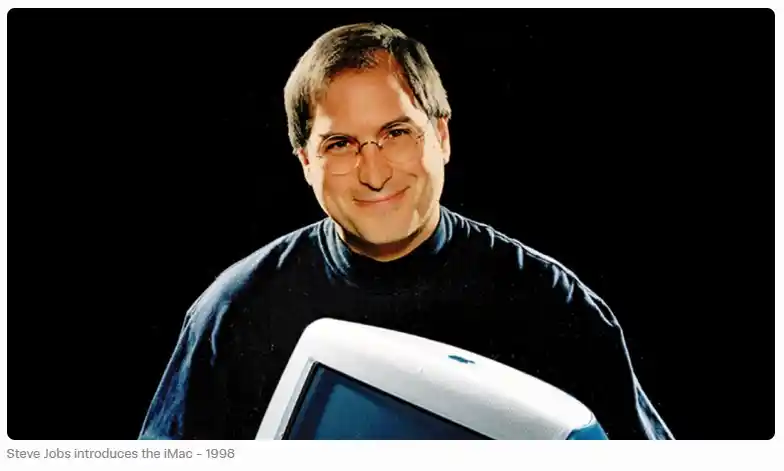
Jobs’ “Think Different” campaign celebrated icons like Albert Einstein and Mahatma Gandhi, aligning Apple with creativity and rebellion. The iPod, launched in 2001, revolutionized music with its “1,000 songs in your pocket” slogan, and the iTunes Store in 2003 created a legal digital music ecosystem. But the pinnacle came on January 9, 2007, when Jobs introduced the iPhone at Macworld, combining a phone, iPod, and internet device into one. “Today, Apple is going to reinvent the phone,” he declared, and it did, sparking the smartphone era and transforming industries from photography to navigation.
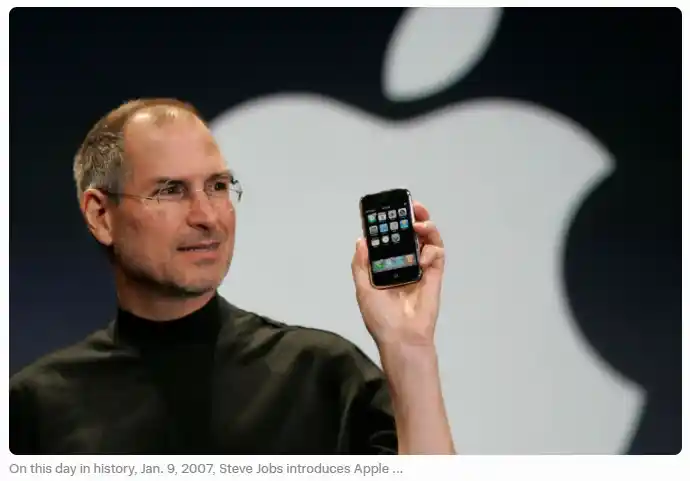
Following the iPhone’s success, Jobs unveiled the iPad in 2010, a tablet that bridged laptops and phones, dominating the market and popularizing touch-based computing for media consumption and productivity. Under his leadership, Apple’s market cap soared from $5 billion in 2000 to over $350 billion by 2011.

Later Years, Health Struggles, and Enduring Legacy
In his later years, Jobs battled pancreatic cancer, diagnosed in 2003. He underwent surgery in 2004 and managed the disease privately while continuing to lead Apple. His 2005 Stanford commencement speech, where he shared stories of love, loss, and death—including his famous line, “Stay hungry, stay foolish”—inspired millions. Despite health leaves, he oversaw the launch of products like the iPhone 4 and iPad 2.
Jobs resigned as CEO in August 2011, passing the torch to Tim Cook. He passed away on October 5, 2011, at age 56, leaving a void in the tech world. Tributes poured in from leaders like Bill Gates and President Obama, who called him “among the greatest of American innovators.”

Steve Jobs’ legacy endures through Apple’s ecosystem, which continues to innovate with products like the Apple Watch and services like Apple TV+. His philosophy of simplicity, design excellence, and pushing humanity forward influences entrepreneurs worldwide. As he once said, “The people who are crazy enough to think they can change the world are the ones who do.” Jobs didn’t just build companies; he built a future where technology enhances human potential.